
October 26, 2026
The Copenhagen Effect: Placemaking in Practice
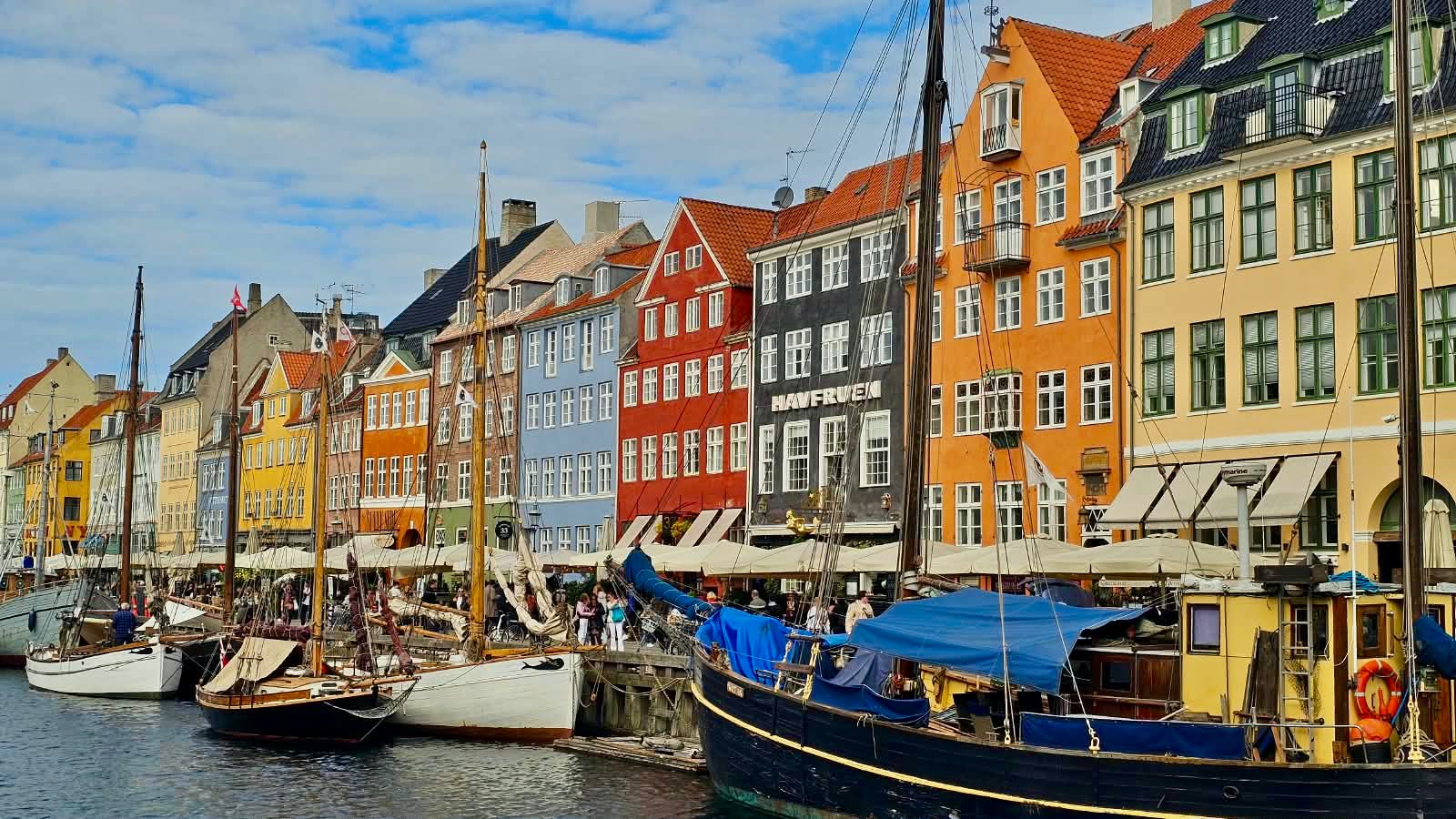
Our Managing Director, Gaynor, recently visited Copenhagen, experiencing the city as a visitor while looking beyond the attractions to what makes it work so well as a destination. Here, Gaynor reflects on how Copenhagen brings together hospitality, branding and placemaking to create a city that people are proud to live, work and visit, and what we can learn from its approach…
“I’ve just returned from a trip to Copenhagen, for work & pleasure, a great opportunity to experience the city through the eyes of a tourist, but inevitably with my hospitality and brand consultant hat on too! Travelling with two colleagues, both with extensive experience across hospitality and property, it was interesting that we all came away with the same impression.
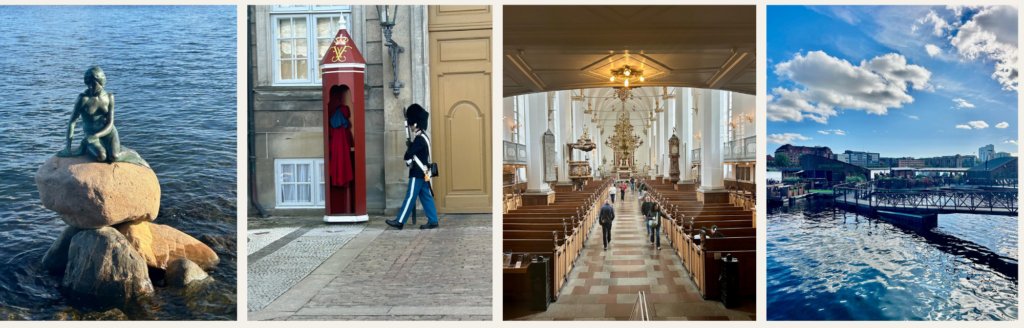
Copenhagen seems to be getting so much right. And not simply because it’s a beautiful city, but because of how the whole experience comes together. The first thing that struck me was the cleanliness. Genuinely one of the cleanest cities I’ve experienced. Even where major construction was taking place, the surrounding streets and public spaces were immaculate. Hardly a piece of litter in sight.
Then there were the people. Across hotels, restaurants, bars, shops and visitor attractions, the hospitality was exceptional. Warm, polite, engaging and seemingly never rushed. People had time for a conversation, were happy to help and appeared genuinely proud of their city.
That sense of civic pride was evident everywhere. Danish flags proudly displayed across the city, from major public buildings and private businesses to hotels, shops and even elements of the wayfinding. It created a real sense of identity, belonging and pride in place. Nothing felt forced or overly branded, just a city and its people genuinely celebrating who they are and where they belong.
The infrastructure was equally impressive. Public transport that was easy to understand, efficient and, in our experience, on time. Cycling woven into everyday life, pedestrian-friendly streets, attractive public spaces and a noticeable emphasis on wellbeing with sauna and steam rooms throughout the city overlooking the water.
And this is where Copenhagen’s commitment to sustainability becomes particularly interesting. With an ambition to become climate-positive by 2035, Copenhagen isn’t simply talking about a greener future. From what I experienced, it’s already making impressive progress in bringing that ambition into everyday life. The cycling culture, accessible public transport, walkable neighbourhoods and thoughtful approach to urban spaces all contribute to a city where more sustainable choices feel natural, convenient and part of the experience, rather than something being imposed.
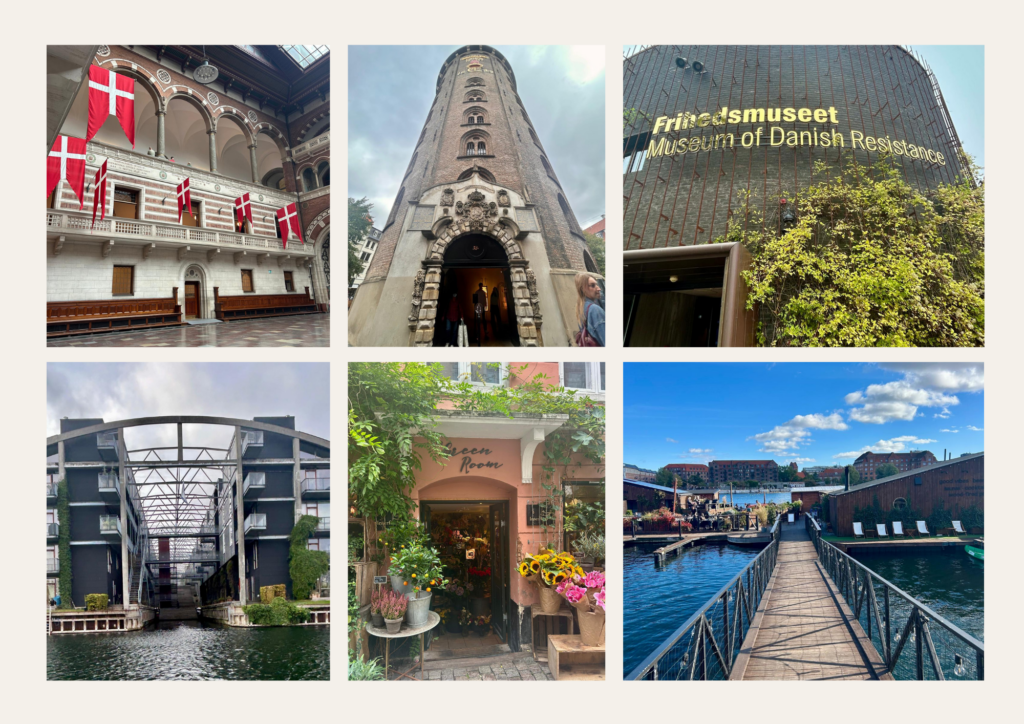
The visitor experience was beautifully considered too. Clear way finding, easy orientation, distinctive neighbourhoods, iconic landmarks and immersive attractions that made exploring the city an absolute pleasure.
What impressed me most, however, wasn’t any one of these things. It was how seamlessly they all worked together.
As someone who works across hospitality, branding and destination experiences, I often talk about the importance of placemaking and the relationship between a place, its people and its identity. Copenhagen felt like a brilliant example of this in practice. Of course, great cities don’t happen by accident. They need long-term vision, investment, collaboration and a shared sense of responsibility between the public and private sectors.
And perhaps that’s the real lesson. You can invest millions in new developments, visitor attractions, hotels and marketing campaigns, but if the streets aren’t welcoming, the transport doesn’t work or the people don’t feel connected to their place, the overall experience falls short.
Copenhagen demonstrates how powerful it can be when everyday fundamentals are given just as much attention as the big-ticket attractions. And how environmental ambition, economic development, community wellbeing and the visitor economy can all be part of the same conversation.
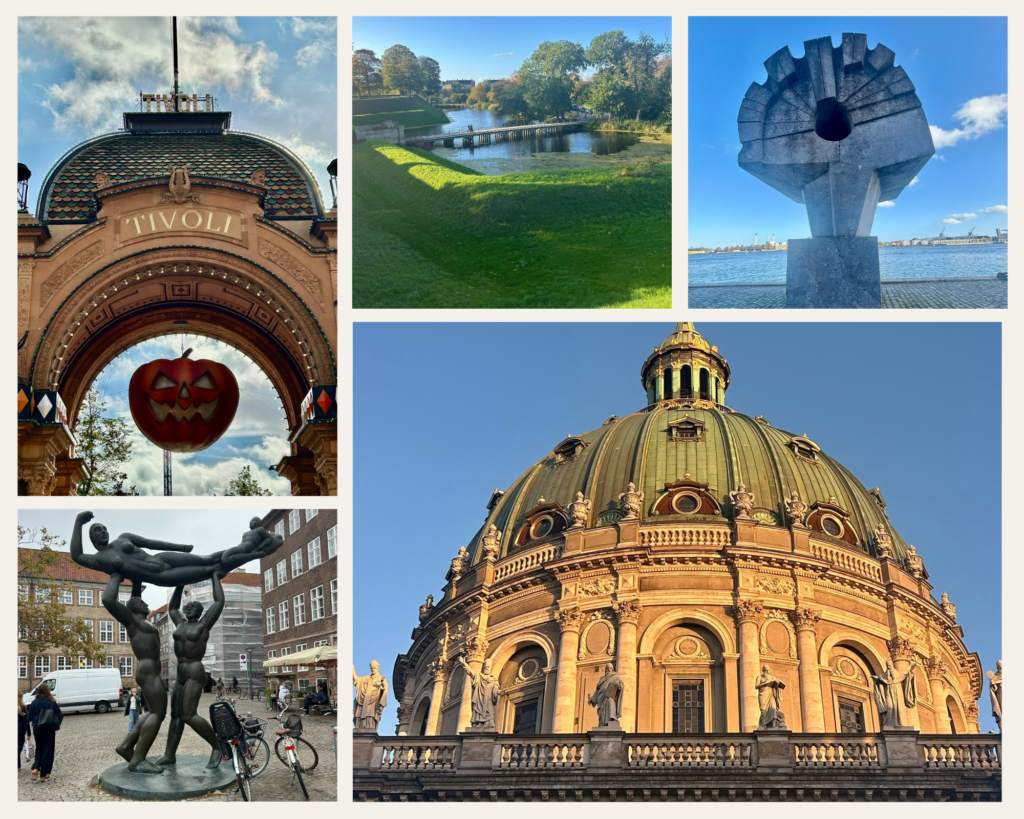
Great placemaking isn’t just about attracting visitors. It’s about creating somewhere people are proud to live, work and spend time. The visitor economy benefits as a result.
Three hospitality and property professionals, all experiencing the city in slightly different ways, yet all coming home with the same overwhelming impression. Copenhagen, you’ve certainly given us plenty to think about”.